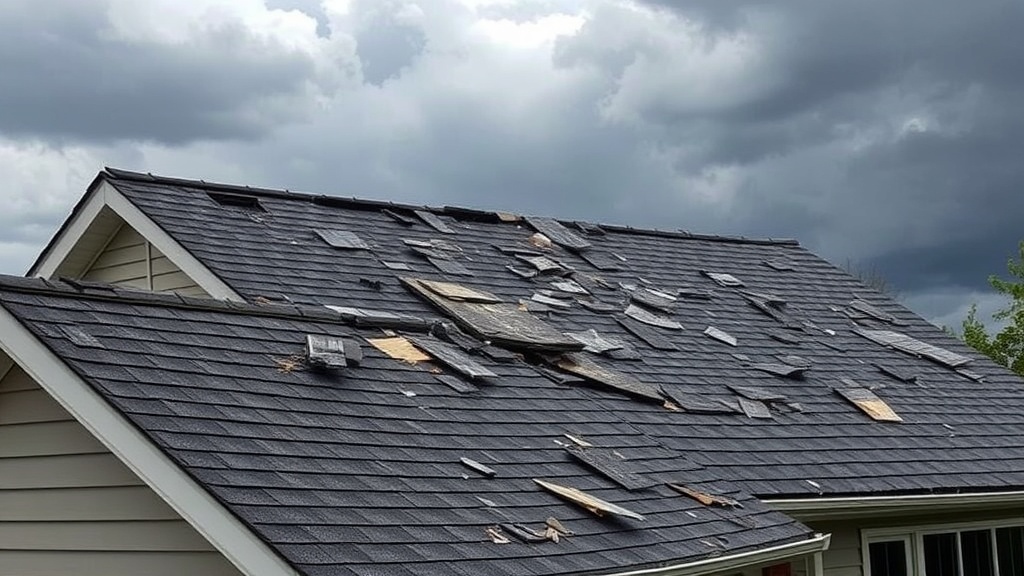
Storm Damage Repair Milwaukee – Insurance Claims & Emergency Service
The Leak You Ignore in February Becomes the Ceiling You Replace in March — storm damage inspection and emergency tarping available.
Storm damage doesn't heal itself. It gets expensive.
Holland Exteriors provides storm damage repair Milwaukee homeowners rely on for fast storm damage roof repair and insurance claim assistance. We document damage, perform storm damage inspection, and restore your roof after hail damage repair, wind damage repair, or emergency tarping for roof leaks after a storm. Licensed, insured, BBB A+ rated. Call (414) 340-3890 for a free assessment.
Milwaukee Storm Damage Repair: Why Immediate Response Matters
Last February, a wind storm hit Milwaukee. Sustained winds of 45 mph. Gusts to 65. The next morning, we received 127 calls. Need urgent help? Our 24/7 emergency repair team responds within hours.
Some were obvious: Missing shingles. Damaged flashing. Visible problems. But most callers didn't see damage. They just wanted to know if they should worry. That's why we offer free roof inspections after every storm.
Free Storm Damage Inspection in Milwaukee
Here's what we told them: If you have any doubt, call us. We'll check it for free.
Hidden Storm Damage Costs Thousands
Because the damage you can't see is often worse than the damage you can. Water gets under one lifted shingle. Runs down to your decking. Sits there. Waiting. Until spring, when you discover rot that could have been prevented with a $200 repair in February.
Milwaukee Storm Damage Roof Insurance Claim Process
Storm Damage Photo Documentation
We photograph everything. Every missing shingle. Every lifted edge. Every questionable area. Because your insurance company needs proof.
Detailed Damage Assessment Report
Not just photos. A written assessment that explains exactly what happened, what needs repair, and why. In language your adjuster understands.
Roof Insurance Claim Assistance
We've worked with every major insurance company. We know what they need. We'll be there when the adjuster comes. We speak their language.
Types of Storm Damage We Repair in Milwaukee
Milwaukee experiences severe weather throughout the year—summer thunderstorms, spring hail, winter ice, and year-round wind events. Each type of storm damage requires specific expertise to identify and repair properly.
Hail Damage
Hail is the most common cause of roof insurance claims in Wisconsin. Even small hail (1" diameter) can bruise asphalt shingles, breaking the granule bond and exposing the mat to UV degradation. Signs include circular dents in flashing and vents, random granule loss patterns, and soft spots when you press on shingles. Hail damage often isn't visible from the ground—that's why we always inspect from the roof itself.
Wind Damage
High winds lift shingles starting at edges and corners, breaking the seal strip that holds them down. Once lifted, shingles can tear, crease, or blow off entirely. Wind damage patterns are distinctive—you'll often see damage concentrated on one side of the roof (the windward side) while the other side is untouched. Missing shingles, creased shingles, and exposed nail heads are telltale signs.
Fallen Tree & Debris Impact
Tree branches and wind-blown debris can puncture shingles, crack decking, and cause structural damage. Even if a branch doesn't penetrate, the impact can break the waterproof seal on shingles underneath. We check not just the obvious impact point but the surrounding area for hidden damage.
Ice Dam Damage
Wisconsin winters bring ice dams—ridges of ice at roof edges that trap melting snow behind them. Water backs up under shingles, into walls, and through ceilings. Ice dam damage includes water stains, soffit and fascia rot, interior wall damage, and shingle deterioration from repeated freeze-thaw cycles.
Storm Damage Insurance Claims Guide for Wisconsin
Filing a storm damage insurance claim can be confusing. Here's what you need to know to maximize your coverage and avoid common mistakes:
When to File a Claim
File your claim as soon as you suspect storm damage—most Wisconsin homeowner policies require claims within 1 year of the damage date, but waiting reduces your chances of approval. Insurance companies question delayed claims: "If the damage was serious, why didn't you report it immediately?"
What We Provide for Your Claim
- •Photo documentation: 50-100+ photos showing all damage points, with before/after context
- •Written damage report: Detailed description of damage in terms adjusters understand
- •Xactimate estimate: Industry-standard pricing format used by all major insurers
- •Adjuster meeting: We meet with your insurance adjuster on-site to ensure nothing is missed
Common Claim Mistakes to Avoid
- ✗Making temporary repairs before documenting: Always photograph damage before tarping or patching
- ✗Accepting the first offer: Initial adjuster estimates often miss damage—we help you appeal
- ✗Waiting for the "perfect time": File promptly; you can schedule repairs later
- ✗Not checking related damage: Storm damage often affects gutters, siding, and soffit/fascia
How to Identify Storm Damage on Your Roof
Some storm damage is obvious. Some is nearly invisible from ground level. Here's what to look for after a storm:
What You Can See from the Ground
- •Missing shingles or shingle pieces in your yard
- •Dented or damaged gutters and downspouts
- •Granules accumulating in gutters or at downspout exits
- •Visible dents in siding, window frames, or A/C units
- •Damaged vent caps or chimney caps
What Requires a Professional Inspection
- •Hail bruising on shingles (requires hands-on inspection)
- •Lifted or creased shingles from wind
- •Broken seal strips on shingles
- •Flashing damage around penetrations
- •Underlayment or decking damage beneath shingles
Important: Don't go on your roof to inspect damage yourself. It's dangerous, especially after a storm when surfaces may be wet or unstable. Our free inspections are comprehensive and come with detailed documentation.
Milwaukee Storm Season: When to Be Alert
Understanding Milwaukee's storm patterns helps you prepare and respond quickly when damage occurs:
Spring (March–May)
Peak hail season. Severe thunderstorms develop as warm air returns. Large hail events are most common in April and May.
Action: Schedule a post-winter inspection and be ready to document damage after storms.
Summer (June–August)
Severe thunderstorms with high winds, occasional hail, and heavy rain. Straight-line winds can exceed 70 mph.
Action: Check your roof after major storms. Wind damage is common but often missed.
Fall (September–November)
Strong cold fronts bring gusty winds. Falling leaves clog gutters, causing water backup issues.
Action: Clean gutters and address any existing damage before winter.
Winter (December–February)
Ice dams, heavy snow loads, and freeze-thaw cycles stress roofing systems.
Action: Monitor for ice dams. Call immediately if you see water damage inside.
We recommend a maintenance inspection twice yearly—once in spring after winter stress, and once in fall before winter arrives.
Frequently Asked Questions About Storm Damage Repair
Milwaukee Storm Damage Repair – Free Assessment
We'll check your roof, document any damage, and tell you honestly whether you have a problem.
Call (414) 340-3890