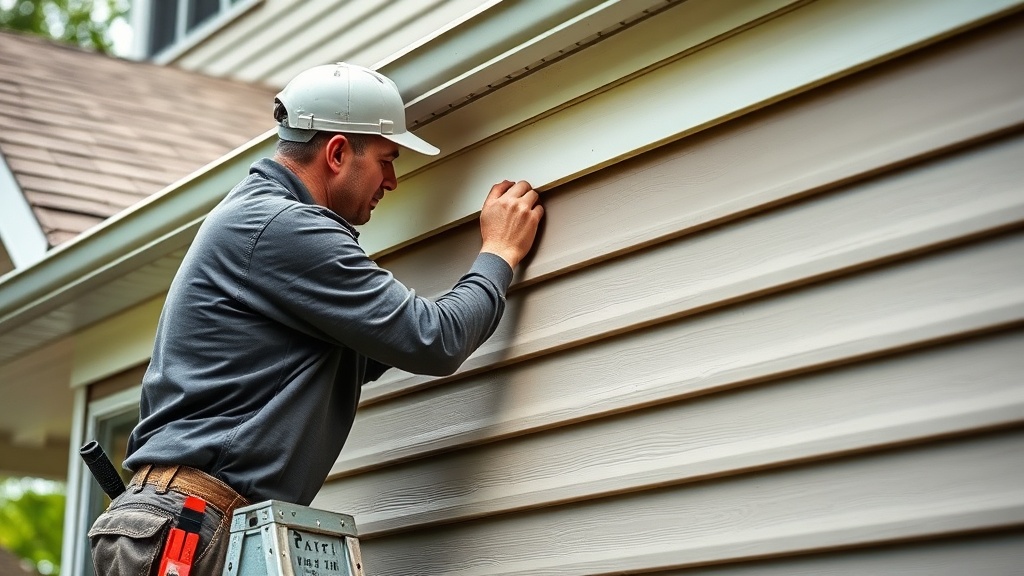
Siding Installation Milwaukee – Vinyl & Fiber Cement Siding Replacement
Protection and Pride in Every Panel
Your home's exterior should protect you and make you proud to pull in the driveway. We deliver both.
Holland Exteriors provides siding installation and repair services in Milwaukee and surrounding areas. Our siding installation covers vinyl siding installation, fiber cement siding, James Hardie siding, insulated siding upgrades, full siding replacement, and targeted siding repair. Licensed, insured, BBB A+ rated. Call (414) 340-3890 for a free assessment.
The Siding Job That Actually Increased Home Value
Linda Thompson was preparing to sell her Bay View home. Her real estate agent was blunt: "The siding is hurting your value. You need to replace it or drop your asking price $15,000."
Linda got three quotes. All vinyl. All around $12,000. Then she called Holland Exteriors and talked to Jaime Holland for an hour about what she actually wanted.
"You're selling this house," Jaime said. "Buyers in this neighborhood want James Hardie. It costs more upfront, but you'll get it back in the sale price. And the buyers will know they're getting quality."
$16,800 for James Hardie. The house sold for $22,000 above asking.
The buyers' inspector specifically noted the "recent high-quality James Hardie siding installation" in his report. Linda made $5,200 profit on siding that will protect that home for the next 50 years.
We don't push the most expensive option. We help you understand what makes sense for your goals, your budget, and your home.
Siding Options We Install (Vinyl & James Hardie Siding)
James Hardie Fiber Cement
The gold standard. Resists fire, pests, and rot. 30-year warranty. Increases home value. Available in dozens of colors and styles.
Vinyl Siding
Affordable, low-maintenance, and durable. Quality vinyl siding can last 20-30 years with minimal upkeep. Great value for budget-conscious homeowners.
Siding Repair
Storm damage, rot, or impact damage. We match existing siding when possible or help you transition to better materials.
Complete Exterior Transformation
Siding, trim, soffit, fascia, and gutters—coordinated, installed properly, and backed by our warranty.
Why Choose James Hardie Siding?
- Withstands Milwaukee weather
Engineered for freeze-thaw cycles, humidity, and temperature extremes
- Fire resistant (non-combustible)
Won't ignite when exposed to direct flame
- Won't rot, warp, or crack
Unlike wood or cheap vinyl, James Hardie maintains its integrity
- 30-year non-prorated warranty
Industry-leading coverage that actually protects your investment
- Increases home resale value
Recoups 75-85% of cost at resale, often more in desirable neighborhoods
- Low maintenance
ColorPlus technology means paint lasts 15+ years without fading or chipping
Our Siding Replacement & Installation Process
1. Free Consultation & Estimate
We assess your current siding, discuss your goals, show you material options, and provide detailed pricing.
2. Proper Preparation
Remove old siding, inspect and repair sheathing if needed, install proper moisture barriers and insulation.
3. Expert Installation
Following manufacturer specifications exactly. Proper nailing, spacing, flashing, and trim work. No shortcuts.
4. Thorough Cleanup
Complete site cleanup. Magnetic sweep for nails. Haul away all debris. Leave your property cleaner than we found it.
Types of Siding for Milwaukee Homes
Choosing siding material is one of the most significant decisions for your home's exterior. Each type offers distinct advantages and trade-offs. Here's what Milwaukee homeowners should know about the most popular options.
Vinyl Siding
Vinyl remains the most popular siding choice in the Milwaukee area, and for good reason. It's affordable, requires minimal maintenance, and modern vinyl siding looks far better than older versions. Quality vinyl won't rot, rust, or need painting. It comes in a wide range of colors and profiles, from traditional lap siding to shake and board-and-batten styles.
The main downsides: vinyl can crack in extreme cold if struck, may fade over time (though quality vinyl resists fading for decades), and doesn't add as much resale value as premium materials. For budget-conscious homeowners who want a fresh look without the premium price, vinyl is an excellent choice.
Lifespan: 20-40 years depending on quality
Maintenance: Occasional washing; no painting required
Best for: Budget-conscious homeowners, rental properties
James Hardie Fiber Cement Siding
James Hardie is the gold standard in fiber cement siding and the choice for homeowners who want the best. Made from cement, sand, and cellulose fibers, it's incredibly durable, fire-resistant, and pest-proof. Unlike vinyl, fiber cement won't melt near grills or fire pits, and it handles Milwaukee's freeze-thaw cycles without cracking.
James Hardie's ColorPlus technology means the color is factory-applied and baked on, lasting 15+ years without fading or chipping. It's heavier than vinyl, requiring more skilled installation, but that weight gives it a substantial, high-quality appearance that vinyl can't match. Fiber cement significantly increases home value and curb appeal.
Lifespan: 50+ years
Maintenance: Minimal; may need repainting after 15-20 years
Best for: Homeowners wanting long-term value, premium aesthetics
Wood Siding
Real wood siding offers unmatched natural beauty. Cedar and redwood are naturally rot-resistant and popular choices. Wood can be painted or stained to any color and provides excellent insulation value. Historic homes and those in certain neighborhoods may require or benefit from authentic wood siding.
The trade-off is maintenance. Wood requires regular painting or staining (every 3-7 years), is susceptible to rot if not properly maintained, and can attract insects. It's also the most expensive option. Wood siding makes sense for homeowners willing to invest in maintenance to preserve authentic character.
Lifespan: 20-40 years with proper maintenance
Maintenance: High; regular painting/staining, inspection for rot
Best for: Historic homes, architectural authenticity
Aluminum Siding
Aluminum siding was popular in the mid-20th century and is still found on many Milwaukee homes. It's durable, fireproof, and doesn't rot. However, it dents easily, shows scratches, and the paint can fade or chalk over time. Few homeowners choose aluminum for new installations today—vinyl and fiber cement offer better value.
If your home has existing aluminum siding in decent condition, repairs are possible. For full replacement, we typically recommend vinyl or fiber cement as better long-term investments.
Lifespan: 40+ years
Maintenance: Low, but may need repainting; dents are visible
Best for: Repairs to existing aluminum; rarely chosen for new installs
Insulated Vinyl Siding
Insulated vinyl siding includes a foam backing that adds R-value and eliminates the hollow feeling of traditional vinyl. It lies flatter against the wall, resists impact better, and provides a more substantial appearance. The added insulation improves energy efficiency and reduces outside noise.
For homeowners who want vinyl's low maintenance and affordability but desire better energy performance and a more premium look, insulated vinyl is worth the modest upcharge over standard vinyl.
Lifespan: 25-40 years
Maintenance: Same as standard vinyl
Best for: Energy-conscious homeowners who prefer vinyl's low maintenance
Siding Cost in Milwaukee
Siding costs vary significantly based on material choice, home size, number of stories, and complexity. Here's what Milwaukee homeowners can expect for a typical 1,500-2,000 square foot home.
| Siding Type | Cost per Sq Ft (Installed) | Typical Home Cost | Resale Value Return |
|---|---|---|---|
| Standard Vinyl | $6-$10 | $9,000-$15,000 | 65-75% |
| Insulated Vinyl | $8-$12 | $12,000-$18,000 | 70-80% |
| James Hardie Fiber Cement | $10-$15 | $15,000-$25,000 | 75-85% |
| Cedar Wood | $12-$20 | $18,000-$35,000 | 70-80% |
| LP SmartSide | $8-$12 | $12,000-$20,000 | 70-80% |
What Affects Siding Cost?
Home size and stories: More square footage means more material. Two-story homes require scaffolding or lifts, increasing labor costs. Complex layouts with many corners, windows, and architectural features cost more than simple rectangular homes.
Old siding removal: Removing existing siding adds $1,000-$3,000 depending on material and disposal requirements. We almost always recommend removal rather than installing over existing siding.
Sheathing repairs: Once old siding is removed, we may discover damaged sheathing or rot. Repairing these issues before installing new siding is essential but adds cost. We identify problems in our estimate whenever possible.
Trim, soffit, and fascia: Replacing siding without updating trim creates a mismatched look. We recommend coordinating all exterior elements. Typical trim, soffit, and fascia updates add $3,000-$8,000.
Insulation: Adding or upgrading insulation behind siding improves energy efficiency. We can add rigid foam board or blown-in insulation during the project.
Bundle and Save
Many homeowners combine siding with roof replacement, gutter installation, and trim work. Bundling projects saves on setup costs, ensures all exterior work coordinates aesthetically, and lets you work with one trusted contractor for the entire project.
Signs You Need New Siding
Siding doesn't fail overnight. It deteriorates gradually, and catching problems early can save money and prevent damage to your home's structure. Here are the warning signs Milwaukee homeowners should watch for.
Warping, Bubbling, or Buckling
Siding should lie flat against your home. Warped or bulging sections indicate moisture trapped beneath the siding—a serious problem that leads to rot and mold. This is common in older vinyl siding and wood siding that hasn't been properly maintained.
Rot or Soft Spots (Wood Siding)
Probe wood siding with a screwdriver. If it penetrates easily, the wood is rotted. Rot spreads, and by the time you see it on the surface, the underlying sheathing may also be affected. Small areas can be repaired; extensive rot means replacement.
Cracked or Broken Panels
Vinyl siding becomes brittle over time and can crack from impact or extreme cold. Individual panels can be replaced if matching material is available. If cracks are widespread, the siding has aged out and replacement makes more sense.
Fading or Discoloration
Significant fading indicates UV damage and material breakdown. While some fading is normal, dramatic color differences between sun-exposed and shaded areas suggest the siding is reaching end-of-life. Faded siding also hurts curb appeal.
Peeling Paint or Loose Wallpaper Inside
Interior paint problems can indicate exterior moisture intrusion. When siding fails to keep water out, moisture migrates through walls and manifests inside. If you're seeing interior issues, have the exterior inspected.
Increased Energy Bills
Old, deteriorated siding provides less insulation. If your heating and cooling costs have risen despite normal HVAC function, failing siding may be the culprit. New siding with proper insulation dramatically improves energy efficiency.
Mold, Mildew, or Fungus
Black or green growth on siding indicates moisture problems. While some surface mold can be cleaned, recurring growth suggests water is trapped where it shouldn't be. This can indicate improper installation or material failure.
Gaps, Loose Panels, or Missing Pieces
Properly installed siding creates a continuous barrier. Gaps at seams, loose panels, or missing sections allow water and pests to enter. Storm damage often causes these issues.
Siding Repair vs Replacement: Making the Right Choice
Not every siding problem requires full replacement. Sometimes repair makes more sense—but other times, patching problems just delays the inevitable. Here's how to decide.
When Repair Makes Sense
- Localized damage—a few panels damaged by impact, storm, or accident
- Matching material available—we can find siding that matches your existing installation
- Siding is less than 10-15 years old—still has significant life remaining
- Underlying sheathing is sound—no rot or moisture damage behind the siding
- Budget constraints—repair now, plan for replacement in 3-5 years
When Replacement Is the Better Investment
- Widespread damage—problems across multiple walls or large sections
- Siding is 20+ years old—approaching or past expected lifespan
- Can't find matching material—repairs will be obvious and look patched
- Underlying structure damage—rot in sheathing needs to be addressed
- Energy efficiency goals—old siding with poor insulation value
- Planning to sell—new siding provides excellent ROI and curb appeal
- Repair costs exceed 30-40% of replacement—at this point, new siding makes more financial sense
The Insurance Consideration
If your siding was damaged by a storm, your homeowner's insurance may cover replacement. Insurance policies typically pay to match existing materials, and if your siding is discontinued or can't be matched, this often means full replacement at insurance expense. We work with insurance companies regularly and can help with the claims process.
We'll Give You Honest Advice
We don't push replacement when repair makes sense. During our free assessment, we'll evaluate your siding condition, check the underlying structure, and tell you honestly whether repair or replacement is the better investment. We'll explain the trade-offs so you can make an informed decision.
Best Siding for Wisconsin Weather
Milwaukee's climate is tough on exterior materials. We experience bitter cold, heavy snow, summer heat, high humidity, and dramatic temperature swings—sometimes 50+ degrees in a single day. Not all siding materials handle these extremes equally.
Why Wisconsin Weather Matters for Siding Choice
Freeze-thaw cycles: Water expands when it freezes. Materials that absorb water can crack, warp, or deteriorate when that water freezes repeatedly. Milwaukee experiences dozens of freeze-thaw cycles each winter.
Temperature extremes: Siding expands in summer heat and contracts in winter cold. Materials need to handle this movement without cracking, warping, or pulling away from fasteners.
Moisture and humidity: Lake Michigan creates humid conditions that can encourage mold, mildew, and rot. Materials that don't breathe properly or that absorb moisture struggle in our environment.
UV exposure: Long summer days mean significant UV exposure. Materials prone to fading or UV degradation show it quickly in Wisconsin.
Our Recommendations for Milwaukee Homes
Best Overall: James Hardie Fiber Cement
James Hardie specifically engineers products for different climate zones. Their HZ5 formula is designed for climates like Milwaukee's, with enhanced resistance to freeze-thaw damage. It's non-combustible (important for grills and fire pits), pest-proof, and incredibly durable. The 50+ year lifespan makes it the best long-term investment.
Best Budget Option: Quality Vinyl
Not all vinyl is created equal. Premium vinyl siding with thickness of 0.044" or greater, combined with proper installation and insulation, performs well in Milwaukee's climate. Quality vinyl resists fading, handles temperature changes, and provides decades of service. Avoid bargain-basement vinyl—it becomes brittle and cracks in cold weather.
Best for Energy Efficiency: Insulated Vinyl
Insulated vinyl siding adds R-value to your walls and eliminates air gaps behind the siding. For Milwaukee's cold winters and hot summers, this translates to real energy savings. It also provides better impact resistance than standard vinyl.
For Historic Character: Cedar (with Caveats)
Cedar is beautiful and appropriate for historic Milwaukee neighborhoods. However, it requires significant maintenance in our climate. If you choose wood, commit to regular inspection, staining/painting every 3-5 years, and prompt repair of any damage. Consider James Hardie's wood-look profiles as a lower-maintenance alternative that captures the aesthetic.
Installation Matters as Much as Material
Even the best siding fails if installed improperly. Proper installation in Wisconsin includes:
- Complete removal of old siding to inspect and repair sheathing
- Quality house wrap or moisture barrier properly lapped and sealed
- Proper flashing at windows, doors, and penetrations
- Correct nailing patterns that allow for thermal movement
- Adequate ventilation to prevent moisture buildup
- Integration with soffit and fascia for complete protection
Let's Find the Right Siding for Your Home
During your free consultation, we'll discuss your goals, budget, and priorities. Whether you want the premium durability of James Hardie, the affordability of quality vinyl, or something in between, we'll help you choose siding that performs well in Milwaukee's demanding climate and looks great for decades.
Frequently Asked Questions About Siding Installation
Ready to Transform Your Home's Exterior?
Free consultation. Material options that fit your budget. Installation that lasts.
Talk to a Roofer: (414) 340-3890