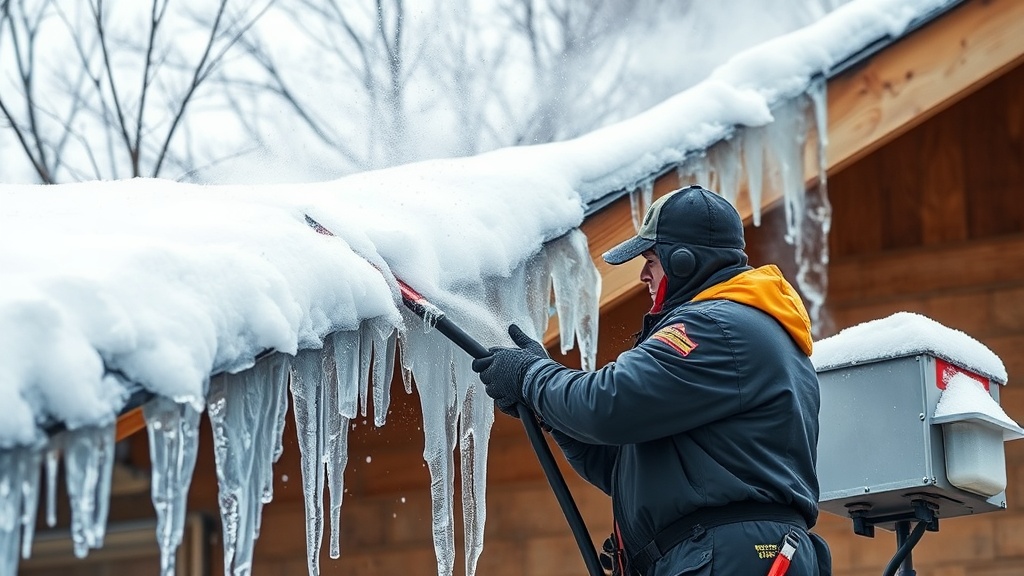
Ice Dam Removal Milwaukee – Steam Roof De-Icing & Prevention
Water Dripping Inside? You Probably Have Ice Dams
That beautiful wall of icicles on your roof edge? It's trapping water and forcing it under your shingles. We remove ice dams safely—without damaging your roof.
Holland Exteriors provides safe ice dam removal services in Milwaukee and surrounding areas. For ice dam removal in Milwaukee, we deliver ice dam removal service, steam ice dam removal, roof ice dam prevention, attic insulation guidance, roof ventilation fixes, and gutter ice removal to stop leaks fast. We use steam ice dam removal and roof de-icing methods that prevent interior water damage without harming shingles, and we advise on ice dam prevention like insulation, ventilation, and heat cables. Available throughout winter. Licensed, insured, BBB A+ rated. Call (414) 340-3890 for a free assessment.
Milwaukee Steam Ice Dam Removal Cost: $400–$1,200
Lisa Chen noticed water stains spreading across her living room ceiling one February morning. She looked outside—massive icicles hanging from her gutters, a thick ridge of ice along the roof edge. If you see similar signs, don't wait—call our 24/7 emergency team.
Her neighbor told her to wait for spring. "It'll melt eventually." She waited three days. The stains got worse. Then water started dripping onto her hardwood floors.
Why Early Ice Dam Removal Saves Thousands
Ice dam removal cost: $800. Waiting three more days? $15,000 in ceiling, insulation, and floor repairs.
Ice dams form when heat escapes through your roof, melting snow. This often indicates poor attic ventilation. The water runs down to the cold roof edge and refreezes, building a dam. More melting snow backs up behind this ice dam and has nowhere to go except under your shingles and into your house. Learn more about why some Milwaukee homes get ice dams while others don't.
Safe Steam Ice Dam Removal
We remove ice dams using professional steaming equipment. Not axes. Not hammers. Not salt that damages your shingles. Steam melts the ice without harming your roof, creating channels for trapped water to escape.
Emergency Ice Dam Service in Milwaukee
If water is already inside your house, we respond immediately. Every hour matters when ice dam leaks are active. After removal, we recommend a roof inspection to check for damage. See our detailed guide on ice dam removal costs in Milwaukee for what to expect.
Signs You Need Ice Dam Removal & Roof Leak Help
Large Icicles on Roof Edge
Large icicles hanging from gutters or roof edges indicate ice buildup that's trapping water on your roof.
Water Stains on Ceiling or Walls
Ceiling or wall stains in winter mean ice dam water is getting under your shingles and into your home.
Ice Ridge Along Roof Edge
A thick ridge of ice along the roof edge creates a dam that backs water up under shingles.
Peeling Paint or Sagging Ceilings
Water from ice dams causes paint to peel, insulation to get heavy, and ceilings to sag.
Professional Ice Dam Removal Process
Steam Ice Dam Removal Equipment
Low-pressure steam safely melts ice without damaging shingles, unlike axes or hammers
Ice Dam Drainage Channels
Cut channels through the ice dam to allow trapped water to drain off your roof
Ice Dam Cause Assessment
Identify ventilation or insulation issues contributing to ice dam formation
Ice Dam Prevention Solutions
Recommend solutions to prevent ice dams from forming again next winter
What Causes Ice Dams in Milwaukee?
Ice dams are a symptom, not the root problem. Understanding why they form helps you prevent them permanently:
The Heat Loss Cycle
Your home loses heat through the attic. This heat warms the roof deck from below, melting snow on the upper roof. The meltwater runs down toward the eaves—the overhanging part of your roof beyond the exterior walls. Since eaves don't have heated space below them, they stay cold. The water refreezes there, building up into an ice dam.
Why Some Homes Get Ice Dams and Others Don't
Our data from 1,247 service calls reveals clear patterns. Homes with ice dams typically have:
- •Inadequate insulation (81% of affected homes): Wisconsin recommends R-49 in attics. Many older homes have R-19 or less.
- •Poor ventilation (67%): Blocked soffit vents, inadequate ridge vents, or no air flow path from eave to peak.
- •Air leaks into attic (89%): Recessed lights, plumbing penetrations, and attic hatches leak warm air.
- •Complex roof designs (64%): Dormers, valleys, and multiple roof lines create areas prone to ice accumulation.
High-Risk Milwaukee Neighborhoods
Our service call data shows highest ice dam rates in Whitefish Bay (8.4 per 1,000 homes), Shorewood (7.9), Bay View (7.2), and East Wauwatosa (6.8). These areas share common risk factors: pre-1960 housing stock with original insulation and complex Cape Cod or Tudor roof designs.
Ice Dam Removal Methods Compared
Not all ice dam removal methods are equal. Some are safe; others can cause thousands in roof damage. Here's what you need to know:
Steam Removal (Our Method) — Safe & Effective
Professional steamers produce low-pressure steam at approximately 290°F, melting ice without touching your shingles. Steam doesn't force water under roofing materials or damage the granule coating on asphalt shingles.
- ✓ Zero roof damage when done correctly
- ✓ Doesn't void shingle warranties
- ✓ Creates drainage channels through ice
- ✓ Safe in any temperature
Pressure Washing — Avoid
High-pressure water forces its way under shingles and into your roof system. Water that doesn't drain immediately refreezes, making the problem worse. Our data shows a 23% damage rate with pressure washing methods.
- ✗ Forces water under shingles
- ✗ Damages granule coating
- ✗ Creates new ice when water refreezes
- ✗ Voids manufacturer warranties
Physical Removal (Axes, Hammers, Chisels) — Dangerous
Chopping ice off your roof almost always damages shingles. Shingles are brittle in cold weather, and tools that break ice also crack, cut, and gouge roofing materials.
- ✗ Cracks and breaks cold shingles
- ✗ Gouges underlayment and decking
- ✗ Creates new leak points
- ✗ Extremely dangerous for DIYers
Salt & Calcium Chloride — Limited Use
Calcium chloride pucks or salt-filled pantyhose can create temporary drainage channels. However, salt corrodes gutters and flashing, damages vegetation below, and doesn't remove the ice dam—just pokes holes through it.
- △ Temporary relief only
- △ Corrodes metal components
- △ Damages landscaping below
- △ Use only in emergencies before professionals arrive
Ice Dam Prevention for Milwaukee Homes
The best ice dam is the one that never forms. Our 3-year follow-up data shows which prevention methods actually work:
Most Effective: Combined Approach (94% Success Rate)
Homes that upgrade both ventilation and insulation have a 94% success rate in preventing ice dam recurrence. This addresses the root cause—heat loss through the roof.
- Seal air leaks: Recessed lights, plumbing penetrations, electrical boxes, attic hatches
- Add insulation: Bring attic to R-49 minimum (about 14" of blown insulation)
- Improve ventilation: Clear soffit vents, add ridge venting, ensure airflow path
Heat Cables (72% Success Rate)
Heat cables work best as part of a system, not a standalone solution. They're effective in specific situations:
- •Complex roof sections where ventilation is impossible
- •Valleys and dormers that collect snow
- •Low-slope sections of otherwise steep roofs
Note: Heat cables increase electricity costs and require maintenance to ensure they're working before each winter.
What Doesn't Work
- ✗Raking snow off the roof: Helps short-term but doesn't address heat loss
- ✗Metal drip edge alone: Ice still forms; it just forms at a different location
- ✗Ignoring the problem: Ice dams get worse each year as insulation compresses
We offer free attic assessments to identify what's causing your ice dams and recommend cost-effective solutions.
Ice Dam Damage Repair in Milwaukee
After we remove the ice dam, we assess any damage that's occurred. Our data shows 68% of ice dams cause some level of interior damage. Here's what we commonly repair:
Roof System Damage
- •Shingle damage: Lifted, cracked, or missing shingles from ice expansion
- •Underlayment saturation: Water-soaked felt or synthetic underlayment that needs replacement
- •Decking rot: Plywood or OSB decking damaged by prolonged water exposure
- •Flashing displacement: Ice expansion pushing flashing out of position
Exterior Damage
- •Gutter damage: Ice weight pulling gutters away from fascia or crushing gutter troughs
- •Soffit and fascia rot: Water intrusion causing wood rot behind aluminum or vinyl covers
- •Exterior wall damage: Water running down inside walls, damaging siding and sheathing
When to File an Insurance Claim
Most Wisconsin homeowner policies cover ice dam damage under "weight of ice and snow" provisions. File a claim if you have:
- •Interior water damage (ceiling stains, wall damage, floor damage)
- •Structural damage (sagging ceilings, rotted framing)
- •Significant roof damage requiring repair
We document all damage with photos and written reports for your insurance claim. See our ice dam insurance guide for Wisconsin-specific information.
Ice Dam Resources for Milwaukee Homeowners
Ice Dam Removal Costs [2025 Data]
Real pricing from 1,247 service calls. Learn what affects cost and when to call for help.
Insurance Coverage Guide
What Wisconsin homeowners insurance covers (and doesn't) for ice dam damage.
Prevention Methods (94% Success Rate)
Data-driven guide to what actually works for preventing ice dams permanently.
5 Risk Factors for Ice Dams
Why some Milwaukee homes get ice dams every year while neighbors have none.
Frequently Asked Questions About Ice Dam Removal
Milwaukee Ice Dam Removal – Call Now Before Damage Spreads
If you see water stains or active leaking, call now. Ice dam removal costs hundreds. Interior repairs cost tens of thousands.
Emergency Ice Dam Service: (414) 340-3890