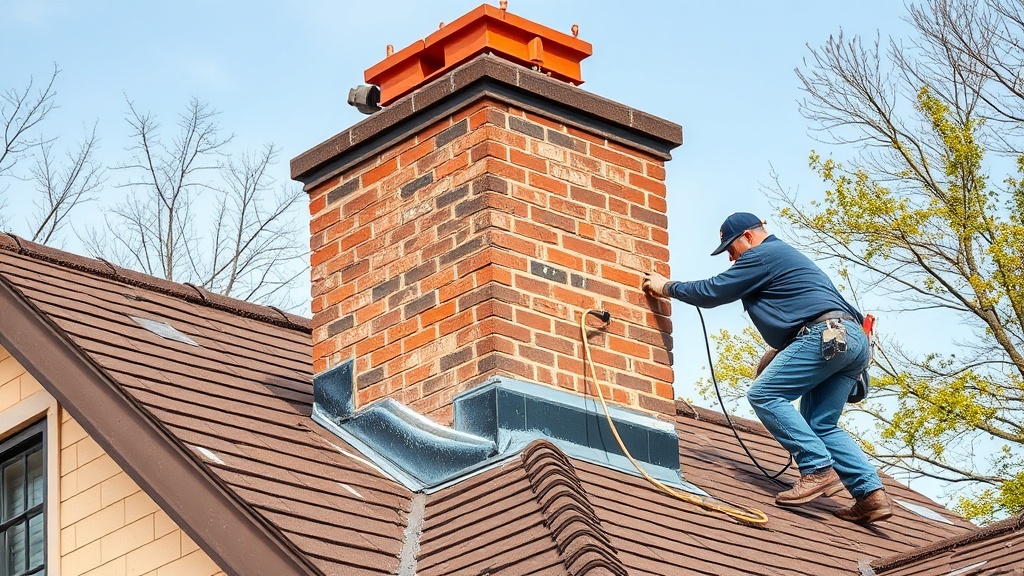
Chimney Repair Milwaukee – Chimney Leak & Flashing Repair
Most Chimney Leaks Don't Need a New Chimney
They need proper flashing and a good mason who knows what they're doing.
Holland Exteriors provides chimney flashing, cap, and masonry repair in Milwaukee and surrounding areas. For chimney repair in Milwaukee, we handle chimney flashing repair, chimney leak repair, chimney cap installation, chimney crown repair, and tuckpointing that stops water intrusion fast. We fix chimney leaks, replace damaged flashing, perform tuckpointing, and repair cracked crowns and mortar joints. Licensed, insured, BBB A+ rated. Call (414) 340-3890 for a free assessment.
The $800 Fix vs. The $8,000 Rebuild
Robert Chen had water stains on his ceiling every time it rained. The leak was coming from his chimney. Three contractors told him he needed a full chimney rebuild. $6,500. $8,200. $9,000.
Jaime Holland climbed on the roof and found the real problem in fifteen minutes. The flashing where the chimney meets the roof had separated. Water was running down the side of the chimney and into the attic.
"We need to reflash it properly. $800. Done in a day."
That was two years ago. No more leaks. No more water stains. Robert's chimney is still standing strong, and he saved $7,200 by getting an honest answer.
Most chimney problems are fixable without tearing anything down. Flashing repairs, crown restoration, chimney caps—these solve 90% of chimney issues for a fraction of the cost of rebuilding.
Common Chimney Leak, Flashing Repair & Masonry Repairs We Do
Chimney Flashing Repair
The #1 cause of chimney leaks. Proper step flashing and counter flashing installation that actually keeps water out.
Chimney Cap Installation
Prevents rain, animals, and debris from entering your chimney. Extends the life of your chimney liner and prevents costly water damage.
Crown Repair & Restoration
Cracked chimney crowns let water seep into the masonry. We restore crowns to protect your chimney structure from freeze-thaw damage.
Masonry Repair
Tuckpointing, brick replacement, and mortar restoration. Fix the damage before it requires a complete rebuild.
Signs Your Chimney Needs Repair
- Water stains on ceiling or walls near chimney
Usually means flashing failure or crown damage
- Crumbling mortar between bricks
Freeze-thaw cycles deteriorate mortar over time
- Missing or damaged chimney cap
Leaves your chimney vulnerable to water, animals, and debris
- White staining on exterior bricks (efflorescence)
Indicates water is penetrating the masonry
- Rust on firebox or damper
Water is getting in from above
Common Chimney Problems We Fix in Milwaukee
Milwaukee's climate is tough on chimneys. The combination of freeze-thaw cycles, lake-effect moisture, and temperature extremes creates conditions that accelerate chimney deterioration. Here are the most common problems we encounter and how we address them.
Failed Chimney Flashing
Flashing failure is the #1 cause of chimney leaks—not the chimney itself. Flashing is the metal system that seals the joint between your chimney and roof. When installed incorrectly (or when caulk is used instead of proper mechanical sealing), water finds its way in. Signs of flashing failure include water stains on ceilings or walls near the chimney, especially after rain or snow melt.
The fix requires removing the old flashing, installing proper step flashing integrated with the shingles, adding counter flashing set into the mortar joints, and sealing everything correctly. This typically costs $500-$1,500 and solves most chimney leak problems.
Cracked Chimney Crown
The crown is the cement cap on top of your chimney that sheds water away from the flue opening. Milwaukee winters are brutal on crowns—water seeps into small cracks, freezes, expands, and makes the cracks larger. Over time, this allows water directly into the chimney structure, causing brick and mortar deterioration.
Small cracks can be sealed with specialized crown coating products. Large cracks or severely deteriorated crowns need to be rebuilt. Crown repairs typically range from $300-$900 depending on the condition and size of the chimney.
Deteriorated Mortar Joints (Tuckpointing Needed)
Mortar joints between bricks deteriorate over time, especially on chimneys exposed to the elements. When mortar crumbles or falls out, water penetrates the brick structure. In Wisconsin's freeze-thaw climate, this water expands as it freezes, pushing bricks apart and causing structural damage.
Tuckpointing involves grinding out old, deteriorated mortar and replacing it with fresh mortar. This restores the water barrier and prevents further brick damage. Catching tuckpointing needs early can save thousands in future repairs.
Missing or Damaged Chimney Cap
Chimney caps serve multiple functions: they keep rain out of the flue, prevent animals from nesting inside, stop sparks from escaping, and prevent downdrafts. An uncapped chimney is an open invitation for water damage, animal intrusion, and debris accumulation.
Cap installation is one of the simplest and most cost-effective chimney improvements. A quality stainless steel cap costs $200-$500 installed and prevents thousands in potential damage. We always check the cap during roof inspections.
Spalling Bricks
Spalling occurs when the face of a brick flakes, chips, or pops off. It's caused by moisture that penetrates the brick and freezes. Spalling is often a symptom of other problems—a failed crown, missing cap, or deteriorated mortar allowed water into the brick in the first place.
Individual spalled bricks can be replaced. If spalling is widespread, it indicates significant water infiltration and the underlying cause must be addressed along with brick repairs.
Leaning or Separating Chimney
A chimney that leans or separates from the house indicates foundation or structural issues. This is serious—a leaning chimney can collapse. Causes include foundation settlement, deteriorated mortar, freeze-thaw damage, or improper original construction.
Structural chimney problems require professional assessment. Sometimes chimneys can be stabilized and straightened. In severe cases, partial or complete rebuilding is necessary. We provide honest assessments and don't recommend rebuilds unless truly needed.
Chimney Repair Cost in Milwaukee
Chimney repair costs vary widely based on the problem and its severity. The good news: most chimney issues are far less expensive to fix than homeowners expect, especially when compared to quotes for unnecessary rebuilds.
| Repair Type | Typical Cost | What's Included |
|---|---|---|
| Chimney Cap Installation | $200-$500 | Stainless steel cap, installation, cleanup |
| Crown Repair (minor cracks) | $300-$500 | Crack sealing, crown coating application |
| Crown Rebuild | $700-$1,200 | Remove old crown, pour new cement crown |
| Flashing Repair | $500-$1,000 | Re-seal or partial flashing replacement |
| Complete Reflashing | $800-$1,500 | New step and counter flashing, proper integration |
| Tuckpointing (per lin. ft) | $10-$25 | Remove old mortar, repoint with new |
| Brick Replacement (each) | $25-$75 | Matching brick, removal, installation |
| Partial Chimney Rebuild | $1,500-$4,000 | Rebuild deteriorated section above roofline |
| Full Chimney Rebuild | $6,000-$15,000 | Complete rebuild, rarely necessary |
Factors That Affect Chimney Repair Cost
Chimney size and height: Taller chimneys require more materials and time. A two-story chimney costs more to repair than a single-story chimney, partly due to access requirements.
Accessibility: Chimneys on steep roofs or difficult locations require additional safety equipment and time. This affects labor costs for any repair type.
Extent of damage: A few deteriorated mortar joints cost less to repair than extensive tuckpointing. Catching problems early saves money.
Material matching: Matching older brick or specialized materials can add cost. Standard repairs use common materials that are readily available.
Cost-Saving Tip: Combine with Roof Work
If you're getting a roof replacement, address chimney repairs at the same time. Flashing is removed during re-roofing anyway, and having workers already on the roof reduces setup costs for other chimney work. Many homeowners save 15-25% on chimney repairs by combining them with roof projects.
Chimney Flashing Repair: The Most Common Fix
When homeowners call about a chimney leak, flashing is the culprit about 80% of the time. Understanding how chimney flashing works—and fails—helps you understand why proper repair is so important.
What is Chimney Flashing?
Chimney flashing is a system of metal pieces that seal the joint between your chimney and roof. It has two main components:
- Step flashing: L-shaped metal pieces woven into the shingles along the sides of the chimney
- Counter flashing: Metal pieces set into the mortar joints of the chimney, overlapping the step flashing
This two-layer system allows the roof and chimney to move independently (due to settling and thermal expansion) while maintaining a waterproof seal.
Why Chimney Flashing Fails
Poor Original Installation
Many roofers take shortcuts with chimney flashing because it's time-consuming work. Common mistakes include using caulk instead of proper mechanical sealing, not integrating step flashing with shingles correctly, and using a single piece of flashing where a multi-piece system is required.
Mortar Joint Deterioration
Counter flashing is set into mortar joints. When mortar deteriorates (common in Milwaukee's climate), the flashing can work loose. Water then runs behind the counter flashing and into the building.
Thermal Movement
Your roof and chimney expand and contract at different rates as temperatures change. Over time, this movement can break seals, especially if the original installation didn't allow for movement.
Caulk Failure
Caulk is not a substitute for proper flashing. Some contractors apply caulk generously and call it a day. Caulk dries out, cracks, and fails within a few years. Proper flashing with mechanical sealing should last decades.
How We Fix Chimney Flashing
- Inspection: We determine whether the flashing needs repair or complete replacement
- Removal: Remove failed flashing and clean the area thoroughly
- Ice and water shield: Install membrane protection at the chimney base
- Step flashing: Install individual step flashing pieces woven with shingles
- Counter flashing: Cut mortar joints and set counter flashing into the chimney
- Sealing: Proper sealant application at mortar joints (not as a substitute for flashing)
- Testing: Water test the repair to verify it's watertight
For related flashing issues elsewhere on your roof, see our roof flashing repair page.
When to Repair vs Rebuild Your Chimney
We've seen homeowners pay $8,000+ for chimney rebuilds when an $800 repair would have solved the problem. We've also seen homeowners put bandages on chimneys that truly needed rebuilding. Here's how to know the difference.
When Repair Makes Sense
- Flashing is the problem—the chimney structure itself is sound
- Crown has cracks but hasn't deteriorated completely
- Limited mortar deterioration—tuckpointing can restore the joints
- A few spalled or damaged bricks—can be replaced individually
- Missing cap—simple installation solves the issue
- Chimney is structurally stable—not leaning or separating
When Rebuilding May Be Necessary
- Chimney is leaning or separating from the house
- Widespread spalling with extensive brick deterioration
- Mortar has failed throughout—not just in spots
- Internal liner is damaged and cannot be relined
- Cost of repairs approaches rebuild cost—at 60%+ of rebuild cost, rebuilding often makes more sense
Partial Rebuild: The Middle Ground
Sometimes the portion of chimney above the roofline has deteriorated while the section inside the attic and below is still solid. In these cases, a partial rebuild makes sense—demolish and rebuild only the exposed section, typically at 40-60% of full rebuild cost.
Our Promise: Honest Assessments
We make our living on chimney repairs, not rebuilds. There's no incentive for us to recommend more work than necessary. When we inspect your chimney, we'll show you exactly what we find, explain your options, and tell you what we'd do if it were our house. If a repair will solve the problem, we'll say so. If a rebuild is truly needed, we'll explain why.
Frequently Asked Questions About Chimney Repair
We'll Tell You What Your Chimney Actually Needs
Free inspection. Honest assessment. No unnecessary rebuilds.
Talk to a Roofer: (414) 340-3890